TRANSLATIONAL RESEARCH

WEBINARS

LUNG RESEARCH

Featuring leading researchers advancing translational research

EXPERT-LED DISCUSSIONS

Featuring scientists advancing human-relevant drug research

HEART RESEARCH

Insights into contractility & electrophysiology

DRG-FOCUSED RESEARCH

Insights into DRG function & sensory neuron excitability

Latest AnaBios Webinars

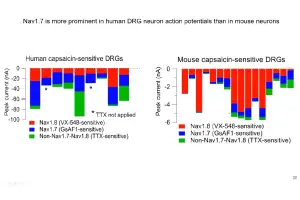
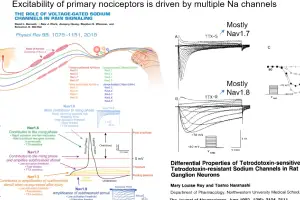
In this installment of the AnaBios Translational Research Webinar Series, Dr. Bruce Bean examines the pivotal role of Nav1.8 voltage-gated sodium channels in controlling excitability in human dorsal root ganglion (DRG) neurons and their contribution to acute pain signaling.Dr. Bean shares new preclinical data on suzetrigine (Journavx), a selective Nav1.8 inhibitor, demonstrating how state- and temperature-dependent channel modulation influences neuronal firing under physiological conditions. These findings provide critical mechanistic insight into the therapeutic potential of Nav1.8 as a clinically relevant target for pain management.

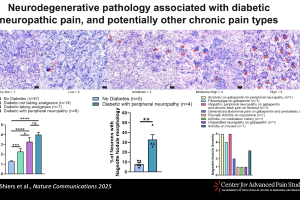
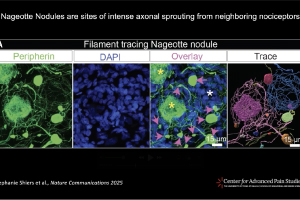
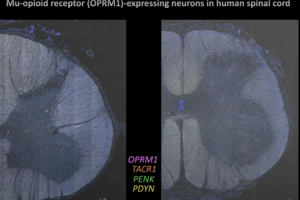
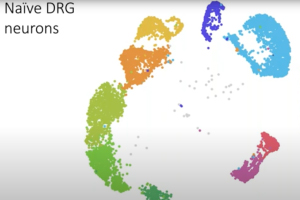
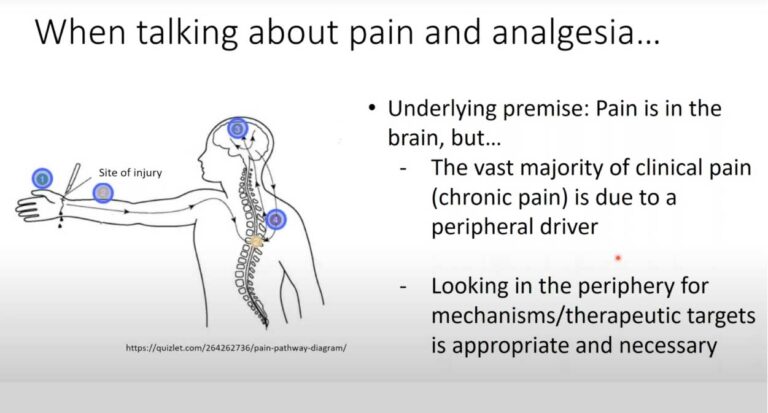
Dr. Ted Price, Professor of Neuroscience at the University of Texas at Dallas, presents recent breakthroughs from his lab that advance our understanding of the molecular mechanisms driving chronic pain. He explores how chronic painful diseases fundamentally alter human dorsal root ganglion (DRG) neurons, highlighting transcriptomic and proteomic changes associated with diabetic neuropathic pain. Dr. Price also examines the first synapse of the pain pathway in the spinal dorsal horn, demonstrating how single-nucleus and spatial transcriptomics are being used to map this region and reveal new opportunities for therapeutic intervention.

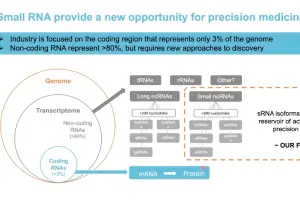
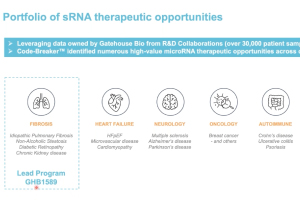
In this live installment of the AnaBios Translational Research Webinar Series, Dr. David Salzman, CEO of Gatehouse Bio, presents the discovery of a novel microRNA isomiR shown to protect against fibrosis, based on analysis of more than 2,500 patient samples. Loss of this isomiR—observed in approximately 70% of pulmonary fibrosis patients—correlates with disease progression and adverse clinical outcomes. Dr. Salzman introduces GHB1589, a precision oligonucleotide therapy designed to restore isomiR expression and reverse fibrosis-associated tissue damage. He shares preclinical data from in vitro, in vivo, and ex vivo studies, and discusses the use of a companion biomarker to enable targeted patient stratification. Together, these findings position GHB1589 as a first-in-class therapeutic approach for pulmonary fibrosis.