It is a long established fact that a reader will be distracted by the readable content of a page when looking at its layout.

U.S. FDA scientists concluded that studies using adult human primary tissue more accurately predict real-world clinical outcomes than traditional preclinical models. For drug developers, this means earlier, more reliable insight into cardiac risk using data generated directly from human tissue.
At AnaBios, we translate this advantage into action. By applying standardized workflows and proprietary human cardiac tissue platforms, we generate physiologically relevant data that reduces translational gaps, strengthens decision-making confidence and helps teams advance safer, more predictable programs into the clinic. Click here to learn more.
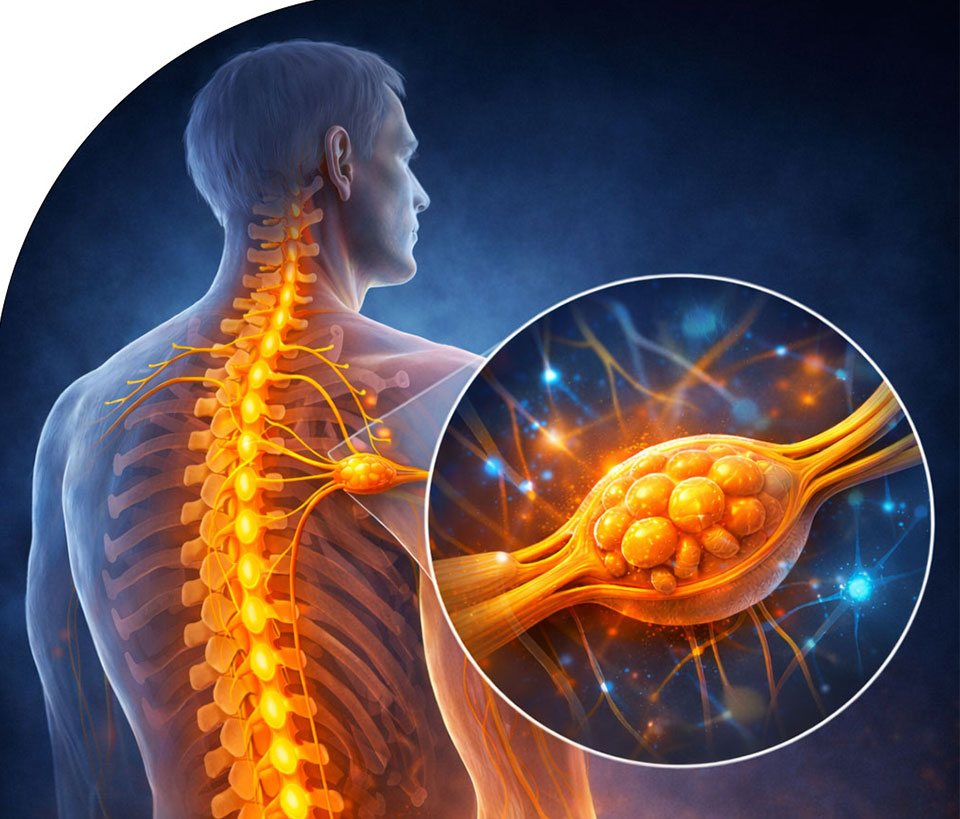
In this installment of the AnaBios Translational Research Webinar Series, Bruce Bean, Professor of Neurobiology at Harvard Medical School, examines the role of Nav1.8 voltage-gated sodium channels in human dorsal root ganglion neurons and their importance in acute pain signaling. Drawing on new preclinical data with suzetrigine (Journavx), a selective Nav1.8 inhibitor, Dr. Bean highlights how state- and temperature-dependent channel inhibition at physiological temperatures alters neuronal firing. The findings provide clear mechanistic insight into why Nav1.8 is a clinically relevant target for pain therapeutics and underscore the value of human-relevant models in advancing translational pain research.
AnaBios offers high-quality human tissue and cells recovered through our extensive network of hospitals and organ procurement organizations. We utilize proprietary methods, practices and streamlined logistics to maximize the preservation of physiological function. Our goal is to deliver industry-leading human tissues and cells for scientific research and drug discovery.
AnaBios creates the unprecedented opportunity for researchers to develop safer, more effective drugs while reducing time-to-market and clinical development costs. Accordingly, we have developed proprietary processes for functional ex vivo human platforms that redefine the concept of “First in Human” studies and bring true human biology to early pre-clinical discovery.
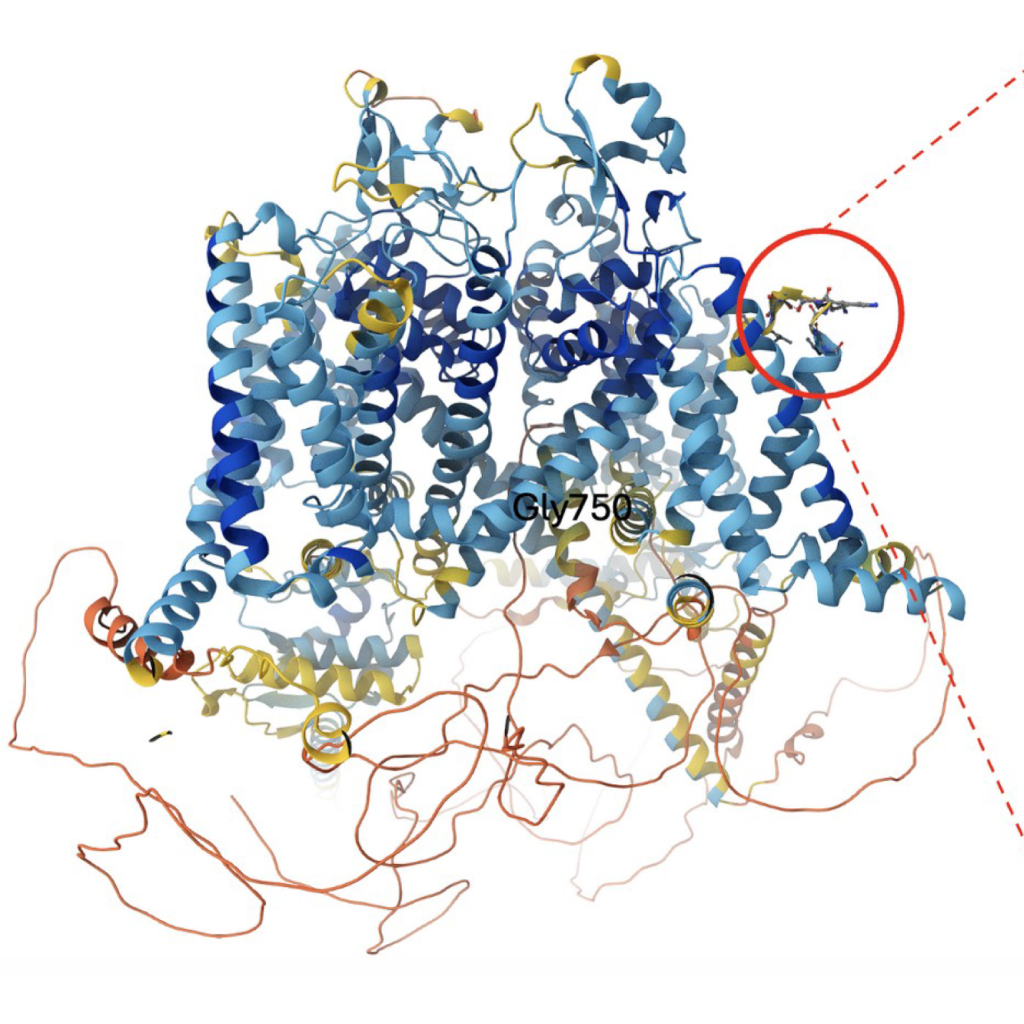
Suzetrigine’s 2025 approval validated NaV1.8 as a pain target, but the drug missed its endpoint against hydrocodone/acetaminophen, and human neuron studies showed it merely dampens nociceptor firing rather than eliminating it. New Phase 2b data on LTG-001, a separate NaV1.8 inhibitor, suggests those limits reflect molecule design and exposure, not the target itself: in the same surgical pain model, it beat the opioid comparator by roughly 50%. This review compares the biophysics and clinical data behind both.